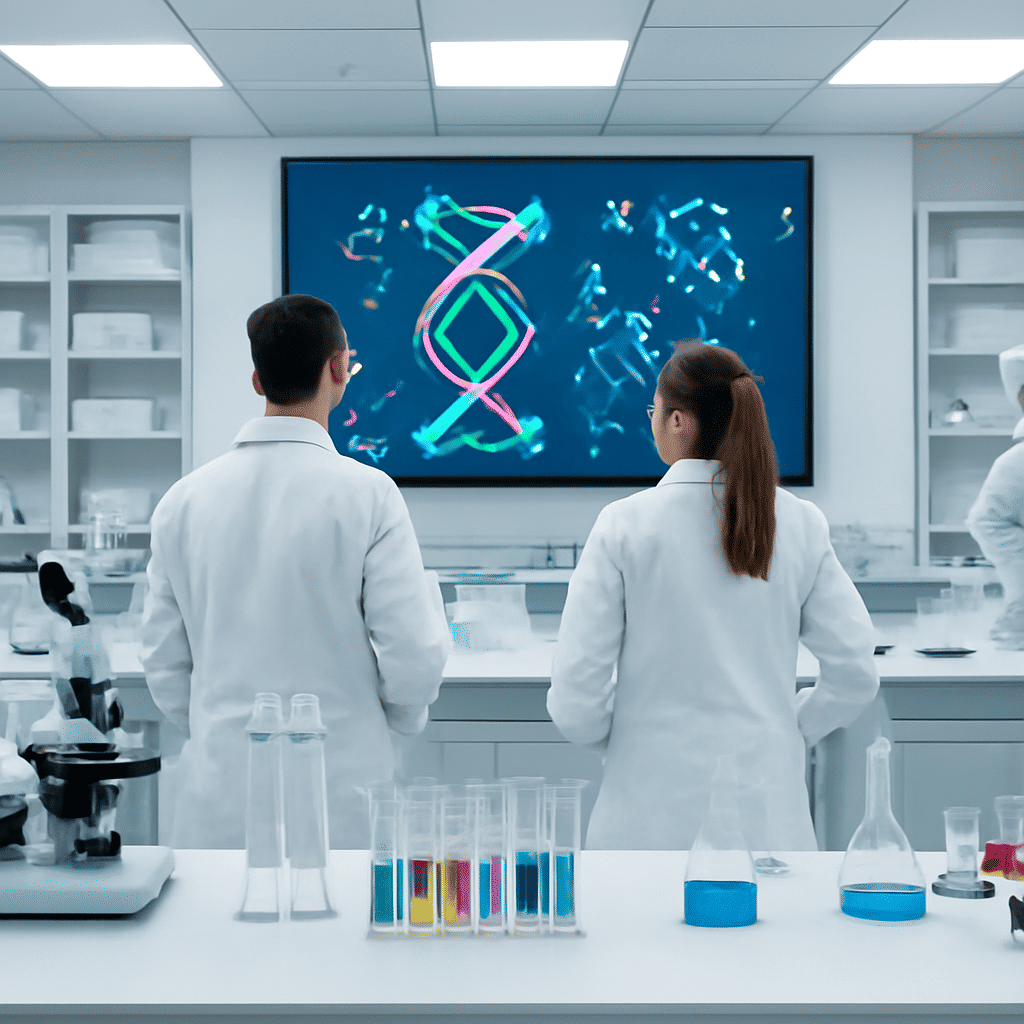
In recent years, biotechnology has skyrocketed to the forefront of scientific advancement, bringing forth revolutionary solutions that are reshaping our understanding and interaction with the natural world. These innovations are not only enhancing our scientific knowledge but are also paving the way for sustainable and personalized solutions in medicine, agriculture, and environmental protection.
One of the most groundbreaking developments in biotechnology is the CRISPR-Cas9 gene-editing technology. This powerful tool allows scientists to precisely alter DNA sequences and modify gene function, offering unprecedented opportunities to correct genetic defects, treat and prevent the spread of diseases, and improve crop resilience. The ability to edit the genome with such precision is opening new avenues in personalized medicine, where treatments can be tailored to an individual's genetic makeup, increasing their effectiveness and reducing adverse reactions.
In agriculture, biotechnology is playing a crucial role in addressing food security and sustainability challenges. Genetically modified organisms (GMOs) are being engineered to withstand harsh environmental conditions, pests, and diseases. These modifications not only ensure higher yields and reduced reliance on chemical pesticides but also contribute toward reducing the carbon footprint of agricultural practices. Additionally, biotech solutions are enabling the development of crops that are more nutritious, fortified with essential vitamins and minerals, which can combat malnutrition in vulnerable populations.
Environmental biotechnology is another field witnessing significant innovations. For instance, bio-remediation techniques harness the power of microorganisms to clean up contaminated soils and water bodies. These natural processes are proving to be more efficient and less invasive than traditional methods of pollution control. Moreover, the advent of bio-based materials, produced from renewable biological resources, is encouraging a shift away from fossil-fuel-based products. These materials are biodegradable and often more sustainable, contributing to a more circular economy.
Meanwhile, in the realm of healthcare, synthetic biology is making waves by enabling the design of novel biological parts, devices, and systems. This has led to the development of synthetic vaccines and bioengineered tissues and organs, which hold the promise of revolutionizing transplants and regenerative medicine.
The integration of artificial intelligence with biotechnology is further driving innovation. AI algorithms are now being used to analyze vast datasets from biological experiments, identifying patterns and predicting outcomes with high accuracy. This synergy is expediting drug discovery and development, making the process more cost-effective and efficient.
Despite the immense potential, the advancement of biotechnology also raises important ethical, legal, and social questions. Concerns about genetic privacy, the ecological impact of GMOs, and the accessibility of cutting-edge treatments remain at the forefront of public discourse. To navigate these challenges, it is essential to foster an inclusive dialogue among scientists, policymakers, and the public to ensure that biotechnology advances for the benefit of all.
In conclusion, cutting-edge biotechnology solutions are revolutionizing the way we interact with the natural world, offering promising avenues for improving human health, supporting sustainable agricultural practices, and protecting the environment. As we continue to explore these frontiers, it is crucial to balance innovation with responsibility, ensuring that these advancements lead to a brighter, more sustainable future for all living beings.